

The price of a chair is usually the easiest factor to compare when choosing chairs, but it can also be the most misleading. A lower-cost chair replaced every five years can cost more than a higher-grade chair that lasts twelve, and repairs, downtime, and employee comfort widen the gap further. What matters is total cost of ownership: how long a chair lasts, what shortens that life, and when repair stops making sense.
How Long Does an Office Chair Really Last?
A commercial-grade office chair typically lasts seven to eight years with a standard five-year warranty, and up to twelve to fifteen years for chairs carrying a ten-year-plus warranty, according to SitOnIt Seating's guidance on replacing office chairs. Warranty length is not a direct measure of lifespan, but it signals the build quality behind the chair.
Those estimates assume standard use: eight hours a day, five days a week, in a clean office. Change any of those conditions and the real number moves.
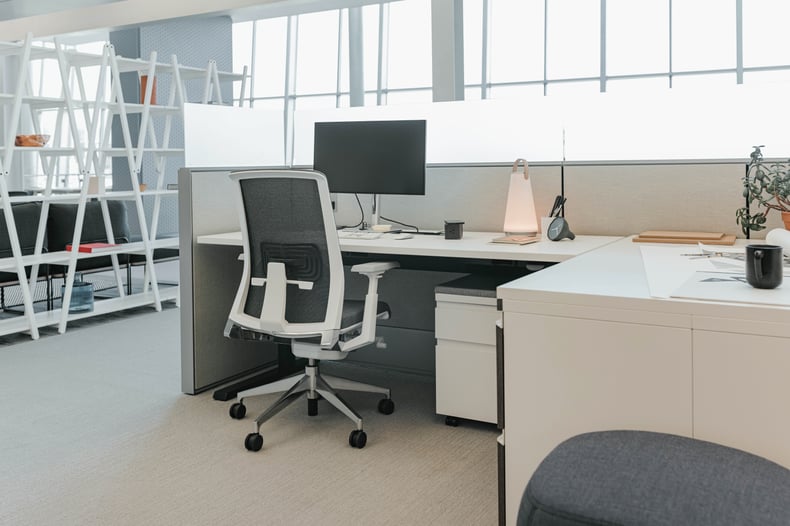
What Shortens or Extends an Office Chair’s Life?
A chair's real lifespan comes down to how it's built, how hard it's used, where it lives, and how well it's cared for.
- Component quality — foam density, cylinder grade, and frame material all wear at different rates
- Usage intensity — an eight-hour desk chair ages differently than one shared across shifts
- Maintenance — cleaning, tightening, and timely part replacement extend usable life meaningfully
- Environment — dust, humidity, and flooring type all affect casters and mechanisms over time
Soft components wear out first. Seat foam and upholstery typically lose support and appearance well before the mechanism or base fails, which is why a structurally sound chair can still feel finished.
What Does Total Cost of Ownership Include for Office Chairs?
The purchase price of an office chair is only one component of the true cost of ownership. Other factors to calculate include:
- Purchase price — the number on the quote
- Expected service life — divide purchase price and expected repair costs by years of use to get an annualized cost, not a sticker price
- Repair and part replacement — cylinders, casters, and armrests can often be replaced individually rather than requiring a full chair swap
- Warranty coverage — what's included, and for how long, changes the real cost of ownership significantly
- Ergonomic-related costs avoided — a chair that reduces MSD risk offsets some of the injury and absenteeism costs outlined in NIOSH's ergonomics research
A chair with a higher sticker price but a twelve-year service life and replaceable components often costs less per year than a cheaper chair replaced every five.
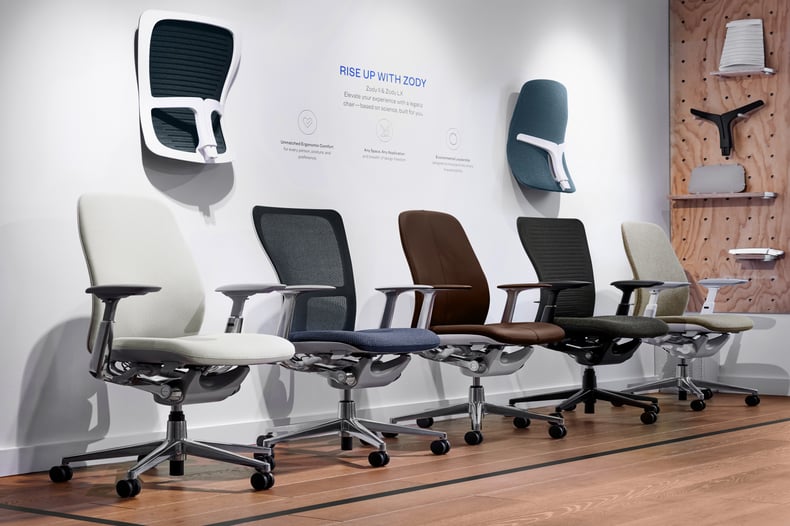
When Should You Repair an Office Chair, and When Should You Replace It?
Usually worth repairing:
- A gas cylinder that no longer holds height
- Worn or sticking casters
- A cracked or loose armrest
- Loose hardware or a squeak that tightening resolves
- Torn or stained upholstery on an otherwise sound chair
Usually time to replace:
- A cracked or bent frame or base
- Seat foam that has flattened and no longer supports the user
- A gas lift that has failed more than once
- Squeaking or wobbling that continues after tightening
- Mismatched components after multiple part replacements, signaling broader wear
Routine inspection makes this call easier. Checking chairs on a regular schedule catches small, inexpensive fixes before they become full replacements.
Choosing Seating Built for the Long Run
The lowest TCO comes from matching the chair to the setting: its users, its hours, and its environment. As a Haworth Best-in-Class Dealer that also sources from a broad range of manufacturers, we help clients compare warranties, component options, and service life side by side, from adjustable task chairs like the Haworth Fern to seating specified for 24/7 environments. Our services team supports the life of that furniture after installation.
Frequently Asked Questions
-
How do you calculate the annual cost of an office chair?
Add the purchase price to expected repair costs over the chair’s life, then divide by the years of service. For example, a $900 chair that lasts 12 years costs $75 a year, while a $450 chair replaced every 5 years costs $90 a year before repairs. -
Is it cheaper to repair or replace an office chair?
Repair usually costs less when the frame and mechanism are sound and the part is still available. Replacement makes more sense when the frame is damaged, the same part has failed more than once, or the chair can no longer be adjusted to fit its user. -
What does a commercial office chair warranty usually cover?
Coverage often varies by part. The frame and mechanism may be covered longer than the upholstery, foam, or casters. Comparing coverage part by part shows more than the headline warranty length does. -
How can you tell when an office chair no longer supports good ergonomics?
Common signs are seat foam that has flattened, lumbar support that won’t stay in position, and adjustments that no longer lock or hold. A chair can look fine and still fail at the job it was bought to do. -
What happens to old office chairs after a replacement?
Depending on their condition, chairs can be refurbished, resold, donated, or recycled, which keeps usable furniture out of landfills. Unisource’s decommissioning services handle removal and help route each piece to the right next use, in support of our sustainability goals.
Contact Us to Plan Seating That Lasts
Whether you’re weighing a seating replacement or specifying chairs for an upcoming project, contact us to review your current fleet and calculate a real total cost of ownership before your next purchase.