

Corporate wellness spending has never been higher. And yet, according to the Global Wellness Institute's 2025 Economy Monitor, workplace wellness is the only sector of the $6.8 trillion global wellness economy that actually shrank last year — contracting 1.5% between 2023 and 2024.
The reason isn't hard to find. Most organizations are investing in individual interventions: ergonomic chairs, standing desks, wellness apps. The environments those people work inside, including the quality of light, the acoustic profile, the air they breathe, are largely unchanged. The investment is real. It's just aimed at the wrong target.
The Environment Is Doing More Than You Think
Gensler's 2025 Global Workplace Survey found that only 26% of employees strongly agree their workplace helps them do their best work. The barriers they named weren't equipment related. Noise, lack of privacy, and inadequate space variety topped the list — all of them problems that furniture programs can't solve on their own.
Organizations pursuing return-to-office strategies are discovering the same gap: creating workplaces that justify the commute requires more than a mandate. It requires environmental decisions made during the design phase.
Four environmental variables appear consistently in workplace health research, and all four are primarily addressed through design decisions made early in the planning process:
- Natural light
- Acoustic quality
- Biophilic materials and sensory presence
- Air quality
Each one has documented physiological and cognitive effects. Each one is largely invisible in most wellness budgets.
Light Is a Biological Input, Not a Design Preference
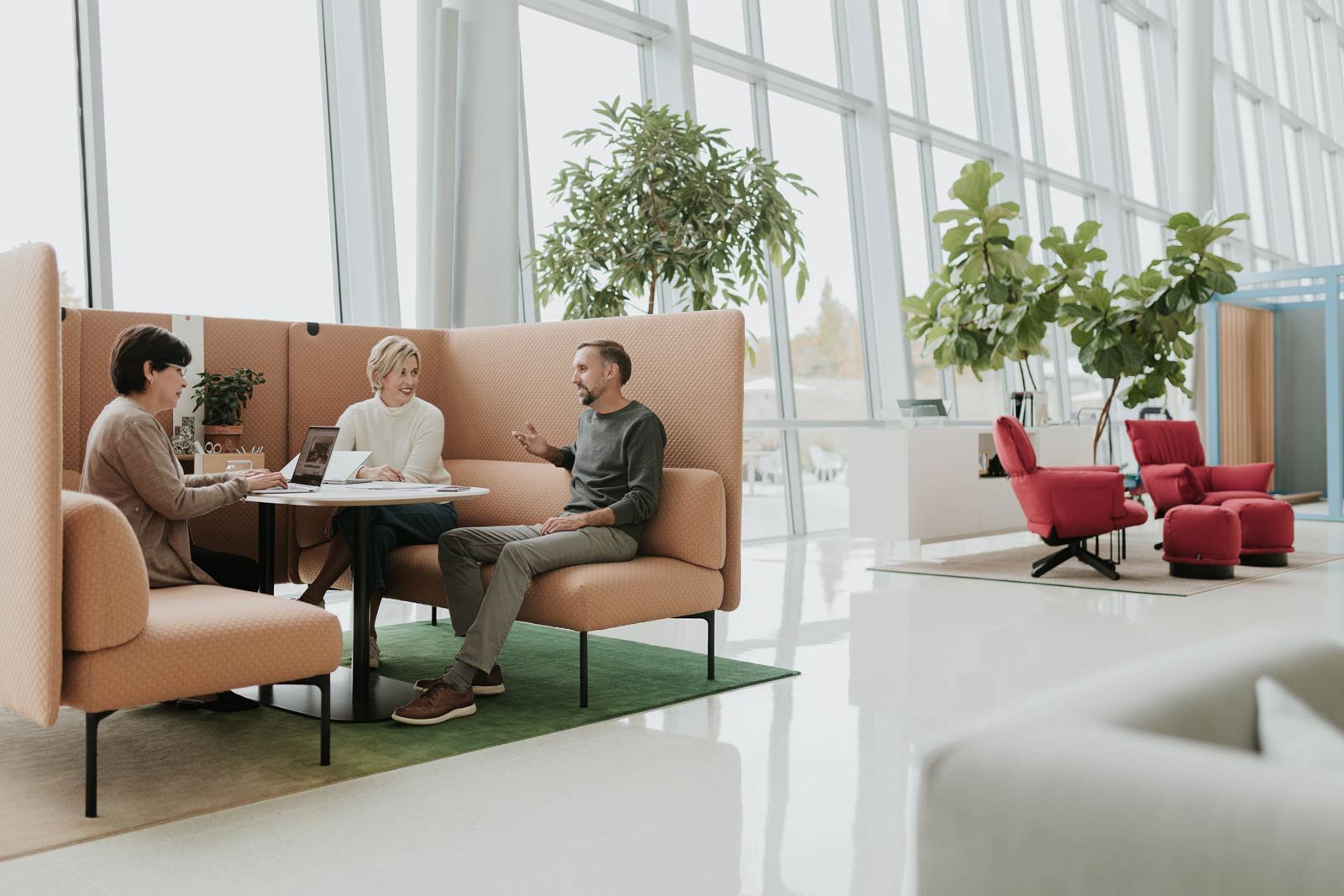
The effects of natural light on sleep, performance, and wellbeing are among the most robustly documented findings in environmental health research. A study published in the Journal of Clinical Sleep Medicine found that office workers with window access slept an average of 46 minutes more per night than those in windowless offices, and reported higher physical activity and quality of life.
This isn't about aesthetics. The brain's master circadian clock synchronizes primarily to light exposure. Inadequate daylight is a systematic biological stress built into the building. It's a spatial planning decision masquerading as a lifestyle variable.
Noise Is a Stress Problem, Not a Volume Problem
Open-plan acoustics are often treated as a comfort issue, and something to manage with headphones or a playlist. Research from Cornell's Human Factors and Ergonomics lab offers a different reading: low-level office noise raises physiological stress markers among workers and reduces motivation for demanding tasks.
The key variable isn't loudness. It's unpredictability. Spaces that expose people to random, uncontrollable sound events produce a chronic low-grade stress response. Noise-canceling headphones address the perception; acoustic engineering addresses the cause. Understanding how acoustic design intersects with cognitive differences, not just sensitivity to volume, but how different brains process unpredictable sensory input, is explored in depth in Design Spaces That Support Every Type of Brain.

Biophilic Design: Specificity Is the Whole Point
Biophilic design in the workplace has moved from architectural philosophy to evidence-supported practice over the past two decades. The underlying framework — that natural environments allow directed attention to recover from the cognitive fatigue that focused work produces — has been replicated across workplace, healthcare, and educational research settings.
The specification challenge is that a few plants in an open floor plan don't produce those outcomes. Effective biophilic design works through specific, documented patterns: visual connection with nature, material contact surfaces, biomorphic forms, thermal and airflow variability, and sensory complexity. Each has its own evidence base, and each requires a design decision, not a purchase order.
For furniture, that translates into the surfaces people are physically in contact with for hours, like desk surfaces, chair upholstery, lounge seating in restoration areas. Platform, our in-house custom furniture brand, makes material combinations possible that standard catalog products rarely offer: live-edge wood at collaborative settings, natural textile upholstery compositions, stone and wood reception environments that establish biophilic intention at the first moment of arrival.
Air Quality Is a Cognitive Performance Variable
The Harvard COGfx Study (Allen et al., Environmental Health Perspectives, 2016) found cognitive performance scores were 101% higher in enhanced-ventilation, green-certified conditions versus conventional office environments. The largest differentials appeared in crisis response, strategy, and information usage, which are exactly the capabilities that make in-office presence worth the commute.
Cognitive performance scores were 101% higher in green-certified, enhanced-ventilation conditions. The largest differentials appeared in crisis response, strategy, and information usage — the capabilities that justify knowledge worker presence in the office.
Furniture specification contributes directly here. Adhesives, foam treatments, fabric coatings, and finish chemistries emit volatile organic compounds; in spaces with limited fresh air exchange, that accumulates. BIFMA level certified, Greenguard Gold, and Declare-labeled products have documented low-emitting profiles. Choosing them is a cognitive performance decision, not only a sustainability gesture.
Movement Needs Infrastructure, Not Just Equipment
Research published in the Annals of Internal Medicine (Biswas et al., 2015) found that prolonged sedentary time carries health risks independent of how active someone is outside the office. Active commuters who exercise regularly but sit for eight largely uninterrupted hours still face elevated cardiometabolic risk.
A sit-stand desk addresses one moment in the workday. A workspace designed to distribute destinations, that is, genuinely differentiated collaboration settings, food and social amenities worth walking toward, builds movement into how the space works rather than making it a product feature.
The Most Underinvested Wellness Asset: Restoration Space
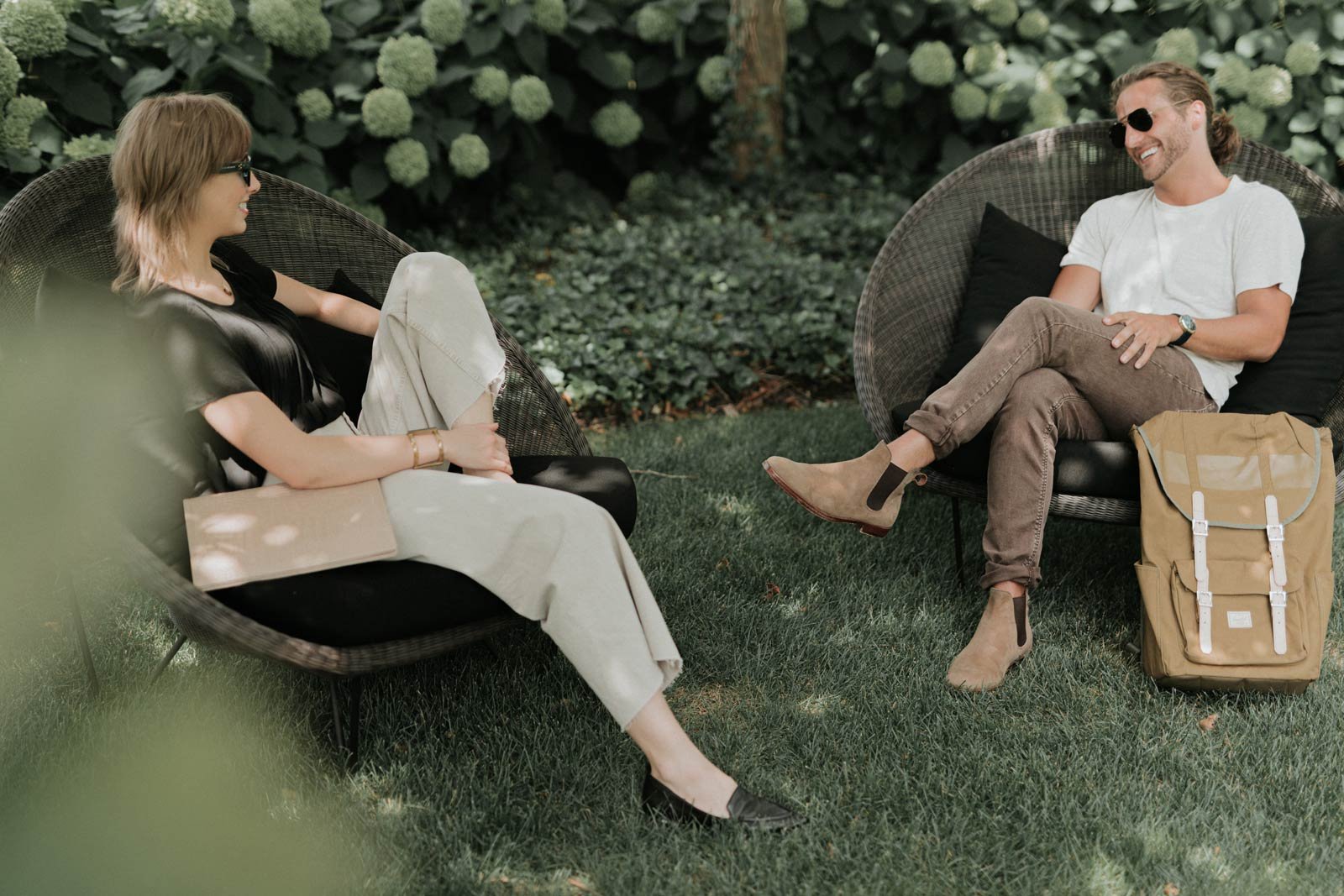
Directed attention, the concentrated focus knowledge work requires, depletes across sustained task engagement and can only be recovered through environments that allow the mind to rest without being asked to perform. Most break rooms and wellness pods don't meet that description.
Effective restoration environments are physically separated from primary work areas, acoustically quiet, furnished with seating that communicates permission to stop, and materially differentiated through lighting, natural surfaces, and sensory character that references the natural world rather than the commercial one. These aren't hospitality upgrades. They are performance infrastructure — spaces that allow people to come back to work restored rather than merely rested.
The Takeway
The wellness features that actually affect health and performance metrics, like daylight access, acoustic design, biophilic materials, air quality, and genuine restoration space, require decisions made during the programming and design phase. You cannot retrofit your way to a well workplace.
Ready to Build a Workplace That Takes Care of the People Inside It?
Ready to design a workplace where the environment itself supports the people inside it? Talk to our workplace strategy team.