

The future of commercial interior design isn't arriving in 2026. It's already here, quietly reshaping how we think about space, wellness, and workplace strategy. After years of reactive adaptation, organizations are moving into a new era defined by intentionality. Spaces are no longer judged solely by square footage or amenities but by how effectively they support human performance, foster connection, and drive measurable outcomes.
At Unisource Solutions, we're seeing this shift firsthand across corporate, healthcare, and education projects. The question isn't "What's trending?" but rather "What's working?" The answer reveals a design landscape where emotional intelligence, environmental responsibility, and operational flexibility converge.
Bold Aesthetics
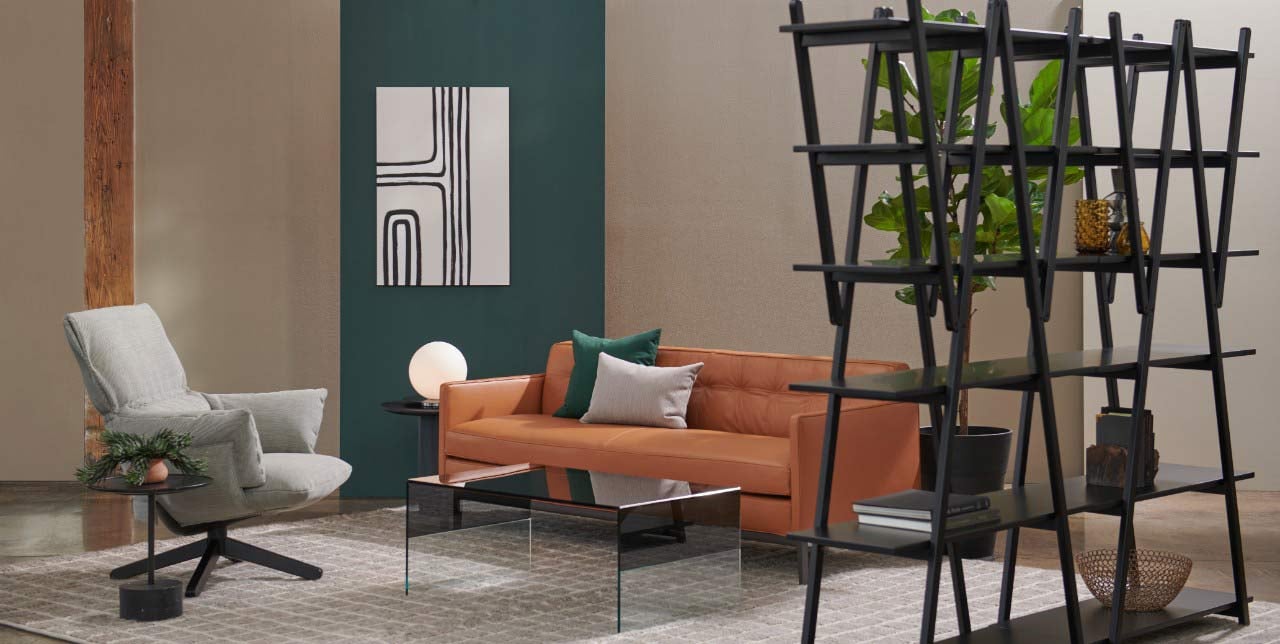
We're seeing distinct aesthetic directions emerge that reflect how organizations think differently about their environments. Some are merging brutalist architecture's sculptural boldness with biophilic elements, creating spaces where raw concrete and geometric forms are softened by natural wood and living elements. Others are embracing surrealism fused with digital technology, featuring oversized organic shapes, illusory patterns, and interactive lighting that responds to movement.
There's also a strong pull toward desert-inspired minimalism that draws from earth tones, handcrafted ceramic surfaces, and tribal motifs accented by warm brass and bronze. And we're witnessing a revival of classic elegance through traditional woodwork, rich textiles like plaid and tweed, and timeless materials like granite.
These varied approaches share a common thread: they're about creating environments with character and purpose rather than following a single prescribed style.
Nature as Infrastructure, Not Ornament
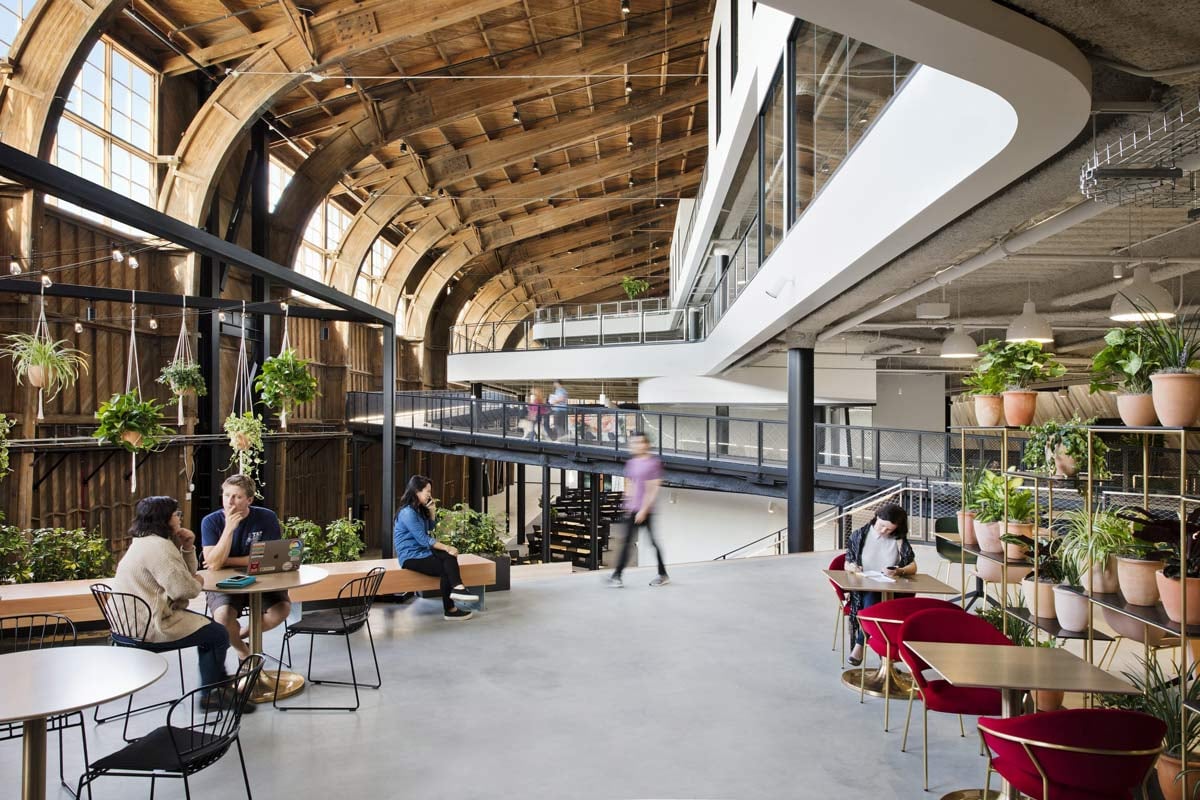
Biophilic design has evolved beyond potted plants and living walls. In 2026, nature-inspired principles are woven into the fundamental architecture of space, influencing everything from acoustic design to material selection to light quality.
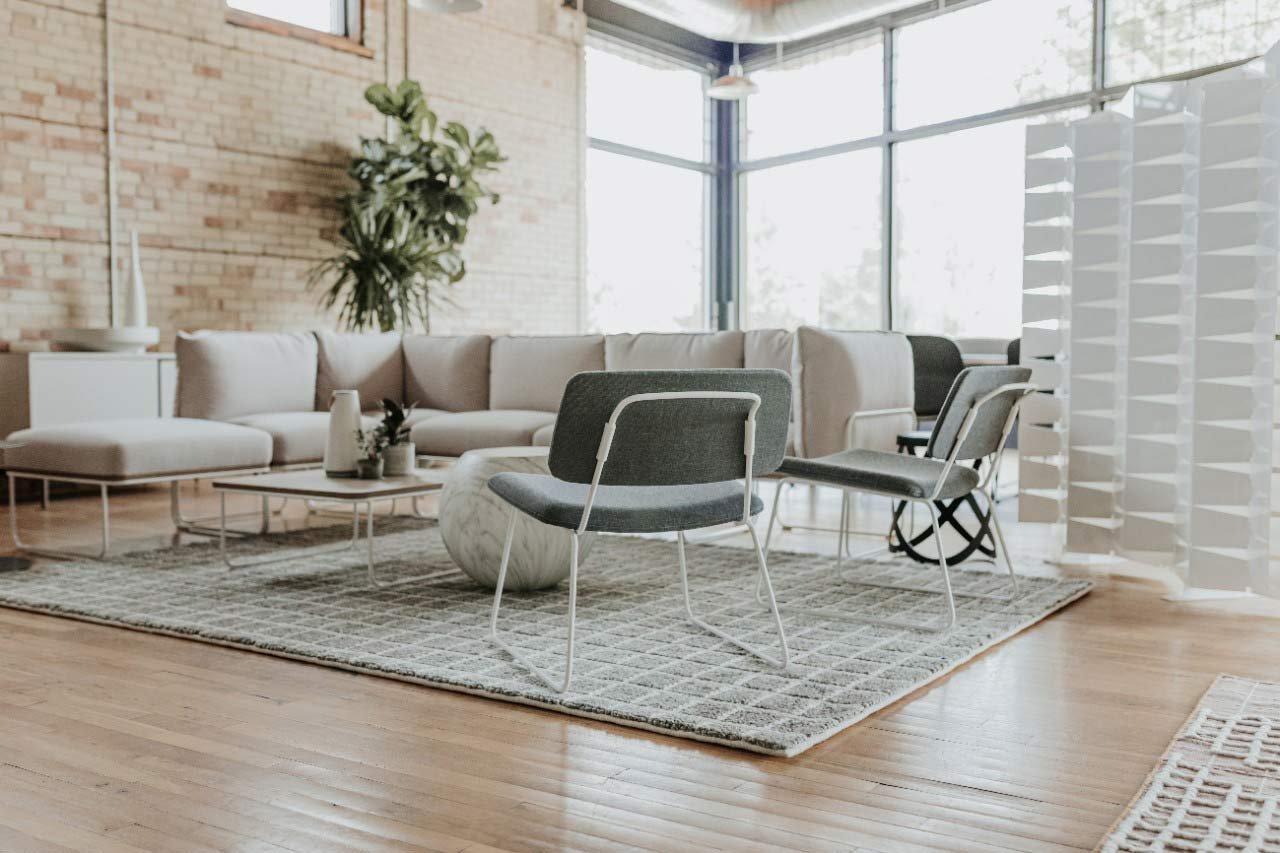
We're specifying materials that both look natural and perform naturally: warm woods that regulate humidity, cork surfaces that absorb sound, textiles derived from organic fibers that breathe. The palette has shifted toward earth tones as a response to research showing that natural color spectrums support focus.
Sustainable and Authentic
Our manufacturing partner, Haworth, and our Platform custom furniture line source materials that meet both sustainability standards and the growing demand for natural aesthetics. The result? Interiors that feel grounded, authentic, and conducive to well-being.
"We're seeing a fundamental shift in how organizations think about their spaces. It's no longer just about furniture placement or aesthetic choices. Our clients are asking us to create environments that actively support human wellbeing while remaining flexible enough to adapt as work continues to evolve. The most successful projects we're working on in 2026 integrate biophilic elements, activity-based planning, and authentic materials in ways that feel intentional rather than trendy. It's about creating spaces where people genuinely want to be."
Sayyara Rustamov, Creative Design Director, Unisource Solutions
Wellness-Driven Design
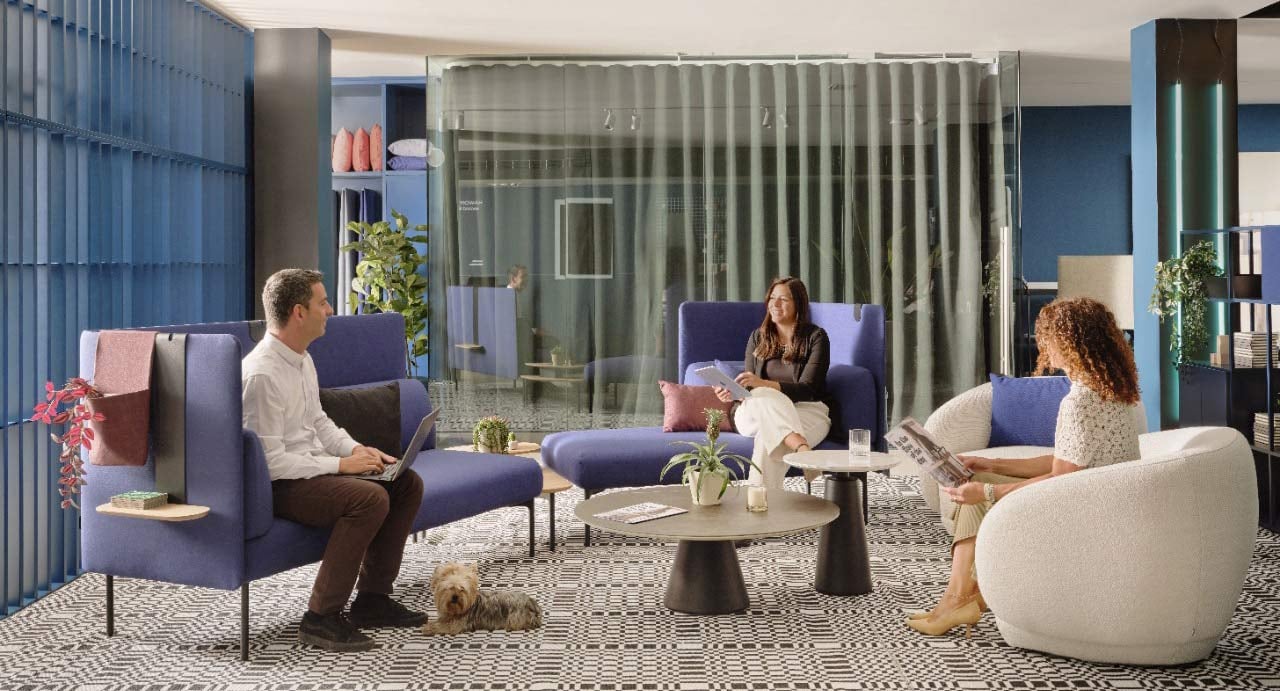
The wellness conversation has matured. What started as yoga rooms and meditation pods has evolved into a comprehensive approach that considers cognitive load, stress hormones, and recovery cycles throughout the workday.
Organizations are now designing for specific physiological outcomes. Lighting systems calibrated to circadian rhythms support alertness during peak hours and prepare the body for rest as the day progresses. Acoustic zoning prevents the cognitive fatigue that comes from constant auditory stimulation. Temperature and ventilation systems respond to real-time occupancy data, optimizing comfort without conscious intervention.
This shift reflects a fundamental recognition: employee health directly impacts performance, retention, and medical costs. Spaces that support wellbeing aren't luxuries. They're strategic investments with quantifiable returns.
We're seeing healthcare clients extend this thinking beyond clinical settings, creating administrative spaces that model the wellness principles they advocate. Corporate clients are measuring the impact of environmental upgrades on sick days, productivity metrics, and employee satisfaction scores. The data is compelling.
Craft and Material Honesty
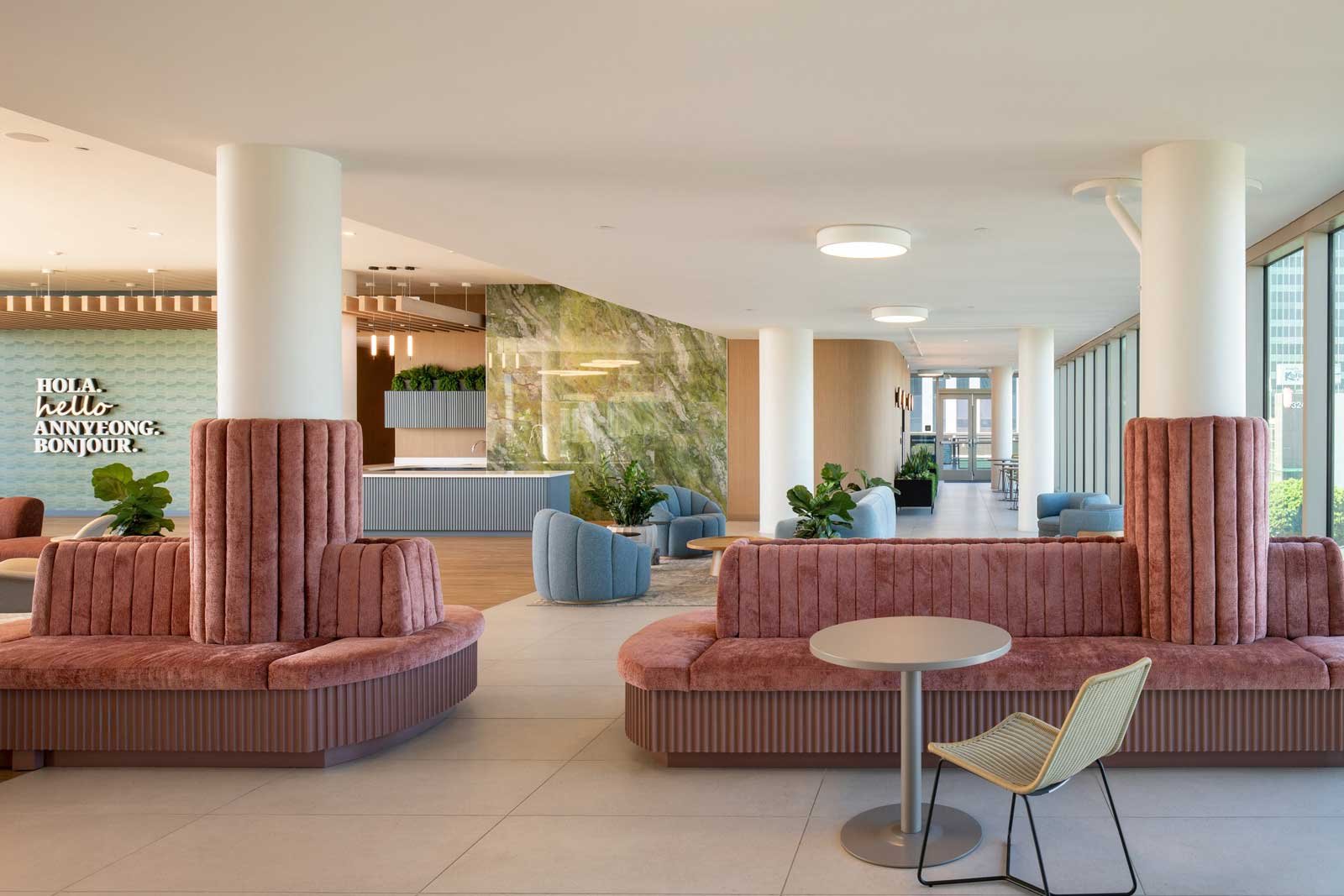
In reaction to years of homogenized, mass-produced interiors, 2026 marks a decisive turn toward artisanal quality and material authenticity. Visible joinery, hand-finished edges, and small-scale variations are demonstrated markers of value.
This trend aligns with broader sustainability goals. Products designed for longevity and repairability naturally showcase their construction. Materials selected for their lifecycle performance tend toward simpler, more honest presentations.
Through Platform’s custom furniture capabilities, we're working with local craftspeople and regional suppliers to create pieces that carry provenance. Clients want to know where materials come from, who made them, and how they'll age over time. There's a growing appreciation for furniture that develops character rather than simply wearing out.
This shift also supports circular economy principles. Modular systems that can be disassembled, refinished, and reconfigured reduce waste while maintaining design integrity over decades.
Hybrid Flexibility
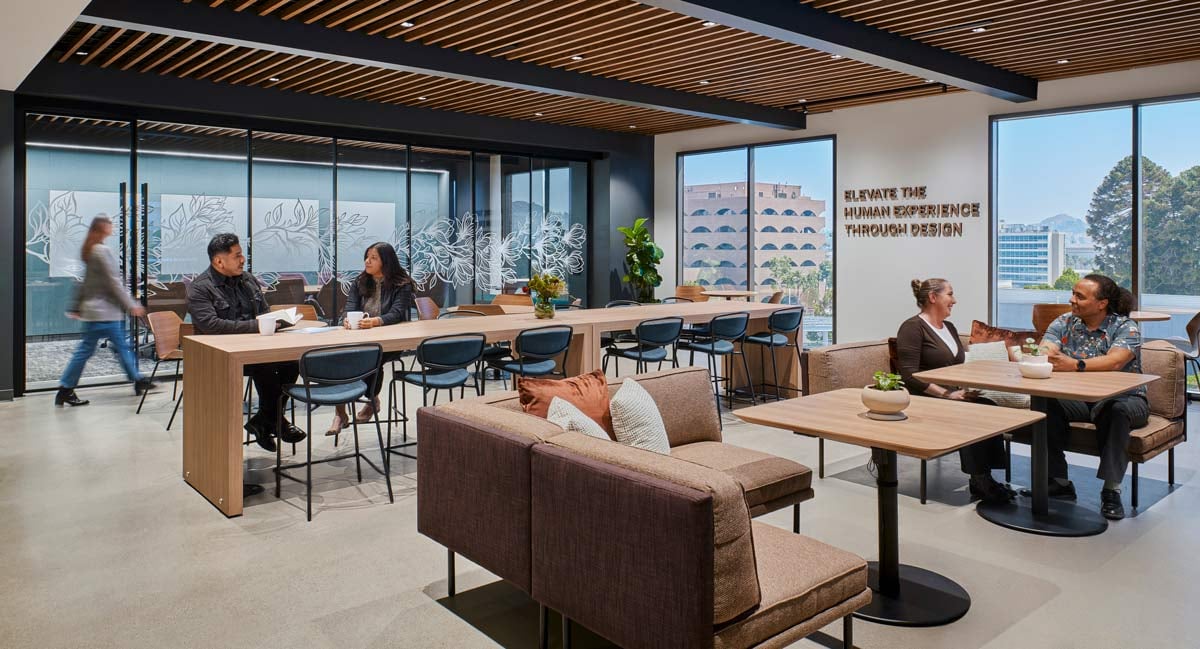
The conversation about hybrid work has moved beyond scheduling policies into the realm of spatial strategy. Organizations that thrive in 2026 aren't simply accommodating fluctuating occupancy. They're designing for it from the ground up.
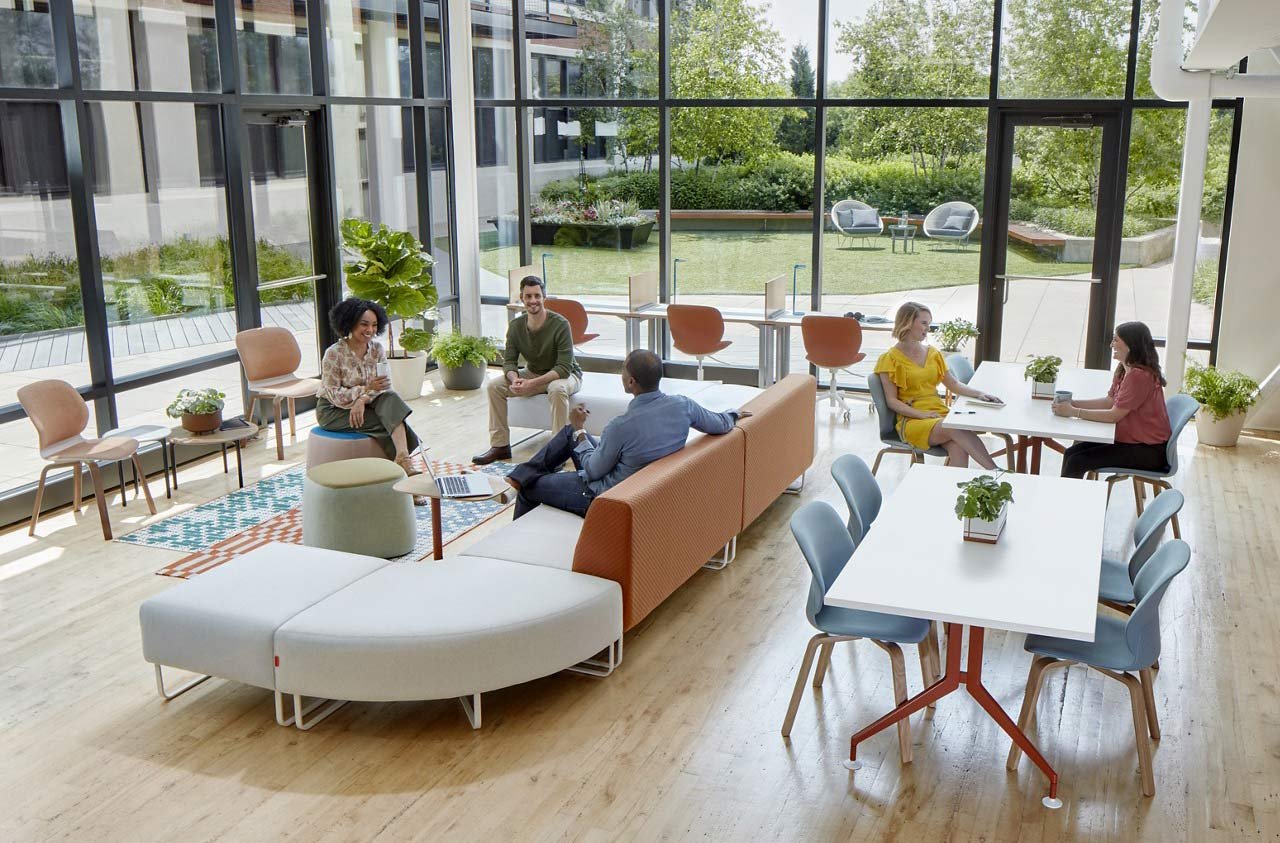
This means creating activity-based zones that support different work modes: deep focus areas with superior acoustics and controlled lighting, collaborative hubs with technology integration and flexible furniture, social spaces that encourage informal connection, and touchdown zones for brief, efficient tasks.
The key insight: people work differently throughout the day, and spaces should support those transitions without friction. We're seeing demand for furniture systems that reconfigure quickly, technology that follows users across zones, and visual cues that help people intuitively understand how each area functions.
Critically, these aren't open-plan free-for-alls. They're thoughtfully zoned environments where acoustic design, visual privacy, and sensory comfort vary by purpose. Organizations using occupancy sensors and space utilization data can fine-tune layouts based on actual behavior patterns, not assumptions.
Playful Professionalism
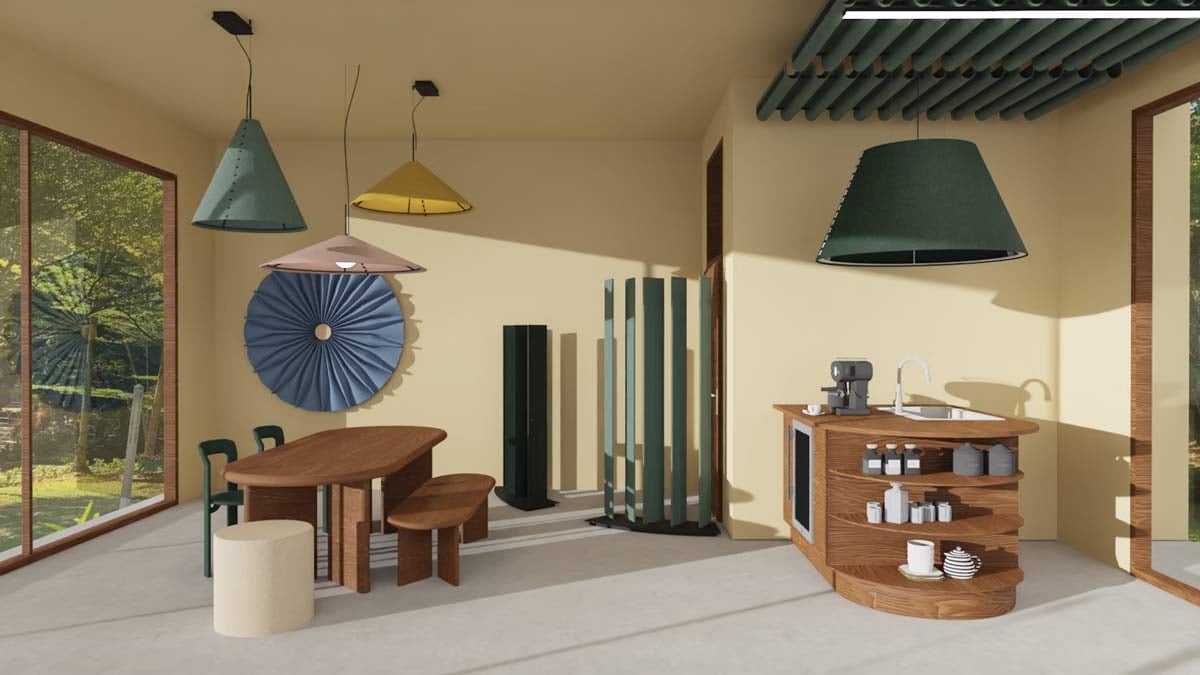
Perhaps the most surprising shift in 2026 is the embrace of playfulness in commercial design. Organizations are discovering that delight, surprise, and a sense of whimsy improve engagement and creativity.
This is more nuanced than arcade games in break rooms. It's about creating immersive environments that invite exploration, incorporate unexpected textures and colors, and signal that work can be enjoyable without sacrificing professionalism.
We're seeing bold wallcoverings with maximalist patterns, furniture in saturated hues, and sculptural lighting that becomes conversation starters. Hotels and hospitality venues have led this trend, but corporate and education clients are increasingly open to taking risks with color and form.
The underlying principle: spaces that spark positive emotion create stronger memories and associations. People remember where they felt energized, inspired, or simply happy. Organizations competing for talent are using environmental design as a differentiator.
Data-Driven Design
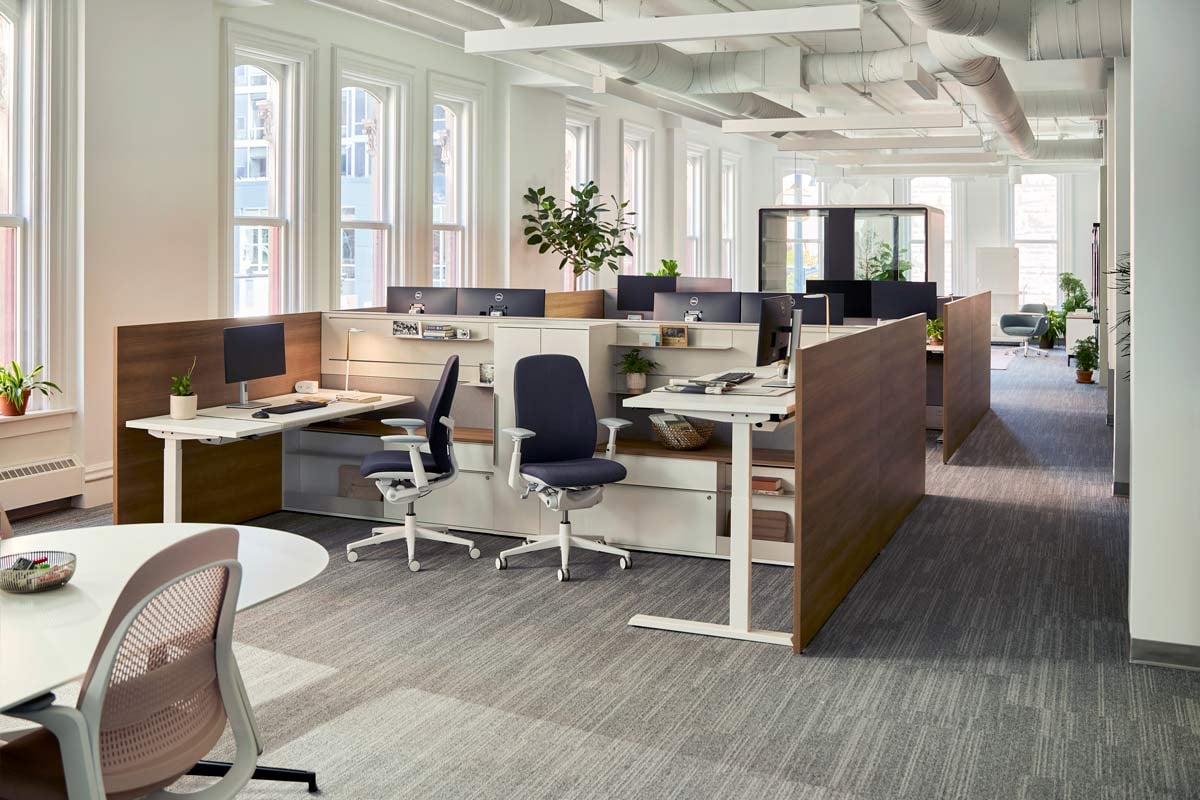
The integration of real-time data into spatial strategy has become a core, ongoing priority. Discreet sensors within furniture, lighting, and HVAC systems now deliver continuous feedback on how every zone is actually used.
This data reveals surprising patterns: conference rooms booked but unused, quiet zones that remain empty, high-traffic corridors that create bottlenecks. Armed with these insights, organizations can make evidence-based decisions about furniture placement, zone designation, and even long-term real estate strategy.
At Unisource, our workplace strategy and analytics practice helps clients move beyond anecdotal feedback to measurable performance indicators. We're tracking space utilization, environmental quality metrics, and even biometric data (with employee consent) to understand how design choices impact human outcomes.
The most successful organizations treat their physical environment as a living system that requires monitoring and adjustment, not a static backdrop.
Spaces That Reconnect People with Purpose
Beyond individual buildings, the next wave of urban design blurs boundaries between culture, commerce, infrastructure, and community. Stadiums become stages for civic life. Transit hubs transform into exhibition spaces and entertainment venues. This reflects a broader goal: reconnecting people with purpose and delivering daily strategic value that attracts talent, drives culture, and sparks innovation.
Space is too valuable to serve a single purpose. The most successful environments adapt to multiple uses and contribute to the broader ecosystems in which they are situated.
What This Means for Your Space
The state of design in 2026 reflects a fundamental recalibration of priorities. Aesthetics still matter, but they serve deeper goals: supporting human health, enabling flexible work, reducing environmental impact, and creating spaces that people genuinely want to inhabit.
Whether you're planning a corporate headquarters, a healthcare facility, or an educational campus, these principles apply:
- Start with outcomes, not trends: Define what success looks like for your organization (reduced turnover, improved collaboration, higher patient satisfaction) and design backward from there.
- Invest in quality and adaptability: Furniture and finishes that can be reconfigured, refinished, and repurposed provide better long-term value than disposable solutions.
- Design for the whole human: Acknowledge that people aren't just productive units but complex beings with sensory preferences, emotional needs, and physiological requirements.
Building Better Together
At Unisource Solutions, we bring together furniture expertise, workplace strategy, design thinking, and project execution to help organizations create spaces that truly perform. As a Haworth Best in Class dealer with our own Platform custom furniture line, we can source the perfect solution, whether it's a leading manufacturer's system or a custom-built piece tailored precisely to your needs.
The design landscape in 2026 rewards organizations that approach space as a strategic asset. The question isn't whether your environment impacts performance. It's whether you're managing that impact intentionally.
Ready to See How These Trends Translate to Your Workplace?
Contact Unisource Solutions to discover how strategic design can transform your workplace, healthcare facility, or educational environment into a competitive advantage.